Skip to content

Home / ENT & Hearing Care / Hearing Loss & Cochlear Implants

ENT · Hearing care

Hearing Loss & Cochlear Implant Care in Gurugram

Hearing loss can come on slowly or suddenly, in one ear or both, at any age. A careful ENT examination and the right hearing tests help explain why it is happening and which options (medical treatment, hearing aids, surgery or a cochlear implant) are worth discussing.

Consultant

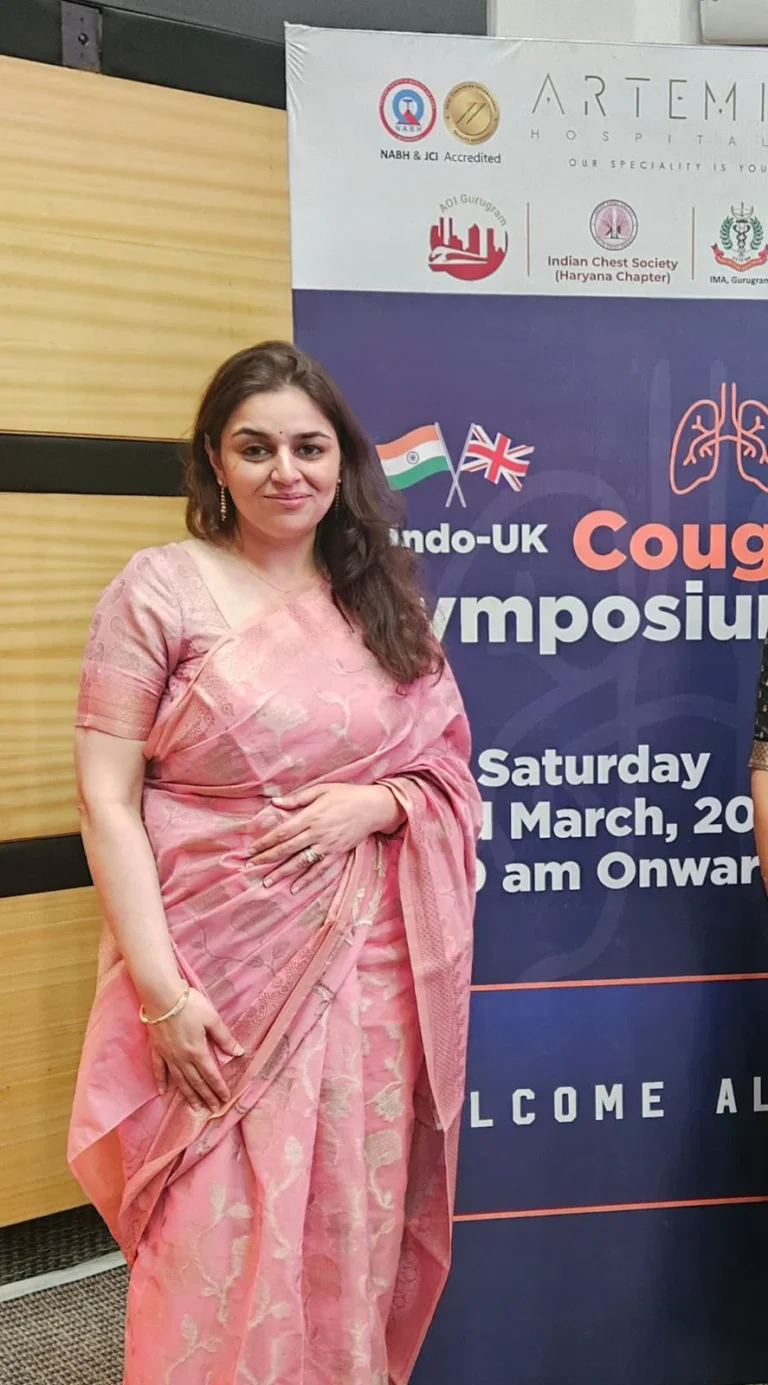
Dr. Dilpreet Bajwa

MBBS, MS (ENT, Otorhinolaryngology)
Haryana Medical Council Reg. No. HN 015287

  • Walk-in: Mon-Sat, 6-8 PM
  • By appointment: other times
  • Clinic: Eros City Square, Sector 49, Gurugram

Overview

Understanding hearing loss

Hearing depends on sound travelling through the ear canal and middle ear (conductive pathway) and then being converted into nerve signals by the inner ear and hearing nerve (sensorineural pathway). Problems in either part reduce hearing in different ways, and are managed differently.

Wax, fluid behind the eardrum, a perforated eardrum or otosclerosis affect the conductive pathway and are often treatable medically or surgically. Age-related change, noise exposure, some infections and genetic causes affect the inner ear; here hearing aids or, when benefit from aids is limited, a cochlear implant may be considered.

In children, hearing is closely linked to speech and language development, so early identification matters. In adults, untreated hearing loss can make conversation tiring and affect work, confidence and social life.

At a glance

Symptoms

When to have your hearing checked

Everyone’s symptoms are different. If any of these sound familiar and have lasted for a few weeks, or keep coming back, they are worth discussing with a specialist.

Your visit

How hearing is evaluated

01

History & examination

Onset, one or both ears, noise exposure, medicines, infections, family history, followed by a detailed ear, nose and throat examination.

02

Hearing tests

Audiometry and tympanometry in adults; OAE and age-appropriate tests in children. Further tests such as BERA may be advised when needed.

03

Imaging when indicated

CT or MRI of the temporal bone may be suggested for surgical planning or to look for specific causes.

04

Plan & follow-up

A written plan explaining the cause, the options and what each involves, with review dates.

Treatment

Treatment options we discuss

The right option depends on the type and degree of hearing loss, the person’s age and needs, and test results. Options include treatment of wax or infection, management of fluid behind the eardrum, ear surgery (for example tympanoplasty or stapes surgery for otosclerosis), hearing aids, bone-anchored hearing devices and cochlear implants.

A cochlear implant is a surgically placed device that directly stimulates the hearing nerve. It may be considered for children and adults with severe-to-profound sensorineural hearing loss who gain limited benefit from well-fitted hearing aids. Candidacy is decided after hearing, imaging and speech assessments, and the outcome depends on many factors, including age at implantation and consistent rehabilitation. The team explains realistic expectations, risks and the rehabilitation commitment before any decision.

Seek urgent care if you notice

In an emergency, go to the nearest hospital emergency department. Do not wait for a clinic appointment.

Hearing tests explained

Audiometry, OAE and BERA tests: which hearing test, and when?

Different hearing tests answer different questions. At the clinic in Gurugram (Gurgaon), the test is chosen by age and by the question being asked, so the result guides a decision rather than just producing a number.

Adults and older children

Audiometry test

Pure-tone audiometry maps the softest sounds you can hear at each pitch in each ear, and speech audiometry checks how clearly words are understood. It takes about 20-30 minutes and needs you to respond to sounds.

Newborns and infants

OAE test

Otoacoustic emissions record faint echoes produced by a healthy inner ear. The test is quick, comfortable for babies and needs no response, which is why it is used for newborn hearing screening.

Further evaluation

BERA test

Brainstem evoked response audiometry (BERA or ABR) measures the hearing nerve's response to sound through small sensors on the head. It is used when OAE is not passed, in young children, and before cochlear implant decisions.

Watch & learn

Our doctors explain

Short educational videos from the clinic’s doctors. They explain common questions and are not a substitute for an individual consultation.

Early symptoms of hearing lossDr. Dilpreet Bajwa · English
What is the most common cause of hearing loss?Dr. Dilpreet Bajwa · English
OAE hearing test for newborns, children and adultsDr. Dilpreet Bajwa · English

More on YouTube: Dr. Dilpreet Bajwa (ENT) · Dr. Zubin Dev Sharma (Gastro)

Videos are for general health education and are not a substitute for an individual consultation.

Your consultant

Who you will see

Dr. Dilpreet Bajwa

ENT, Hearing & Cochlear Implants

Dr. Dilpreet Bajwa

MBBS, MS (ENT, Otorhinolaryngology)

  • Senior Consultant, ENT & Cochlear Implant Program, Artemis Hospital, Gurugram
  • Director, The ENT GUT Clinic, Gurugram
  • General and pediatric ENT
  • Hearing loss and ear disorders
  • Cochlear implant evaluation, surgery and follow-up
  • Bone-anchored hearing device implantation
  • Otosclerosis
  • Tonsil and adenoid disorders
  • Nasal blockage, rhinitis, sinus disease, nasal polyps and allergy
  • Throat, voice and laryngeal disorders; microlaryngeal surgery
  • Thyroid-related disorders and surgery

Haryana Medical Council Reg. No. HN 015287

FAQ

Questions patients ask

Can’t find your question? Call or WhatsApp the clinic, the team will help you choose the right consultation.

Is sudden hearing loss an emergency?

Yes. Sudden sensorineural hearing loss should be assessed as early as possible, ideally within 24-48 hours, because some treatments are more effective when started early.

At what age can a child’s hearing be tested?

Hearing can be screened at birth with OAE testing. Age-appropriate tests are available for infants, toddlers and older children.

Who may be a candidate for a cochlear implant?

Children and adults with severe-to-profound hearing loss who receive limited benefit from properly fitted hearing aids may be evaluated. Candidacy is decided only after hearing tests, imaging and counselling.

Will a hearing aid or implant restore normal hearing?

Devices can improve access to sound, but results vary from person to person. Your doctor will discuss realistic expectations based on your tests.

What should I bring to the appointment?

Any previous hearing test reports, scans, a list of current medicines and, for children, details of birth history and speech milestones.

Related

Explore related care

ENT & hearing appointments

Book an ENT consultation

Ear, nose, throat and hearing concerns in children and adults, seen by Dr. Dilpreet Bajwa. Walk-in Mon-Sat, 6-8 PM, or book a time that suits you.